
Introduction
Your skin works hard while you sleep. During the night, it naturally focuses on repairing daily damage caused by sunlight, pollution, changing weather, and other environmental factors. This is why an evening skincare routine is just as important as your morning routine. A properly selected night cream helps replenish lost moisture, supports the skin’s protective barrier, and leaves your complexion feeling refreshed by the time you wake up. If you’re searching for the best night cream in Pakistan, choosing one that matches your skin type and concerns is essential for achieving consistent results.
Unfortunately, many people purchase skincare products based on trends or recommendations without considering their own skin type. A cream that delivers excellent results for one person may feel too heavy, too light, or even irritating for someone else. When your moisturizer doesn’t meet your skin’s actual needs, you may notice persistent dryness, excessive shine, rough texture, or unexpected breakouts.
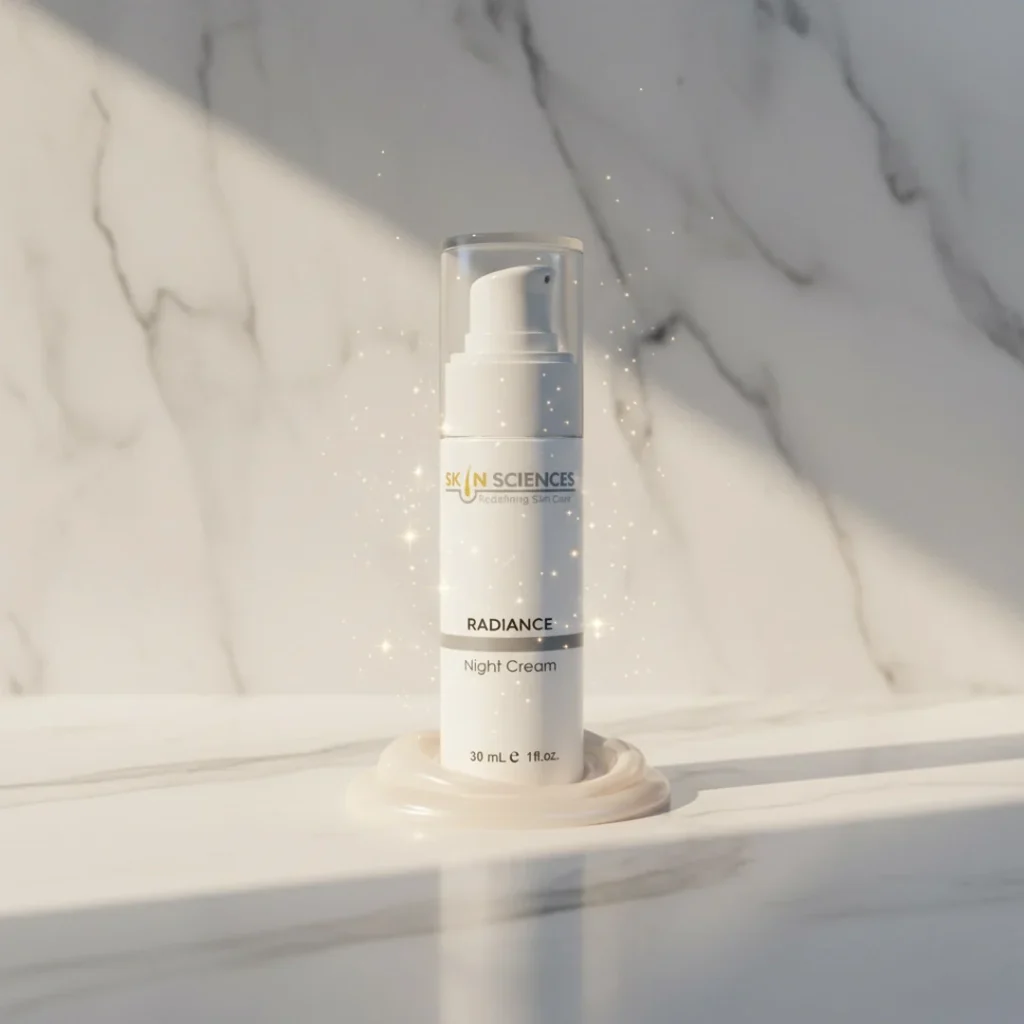
Learning how to recognize these warning signs can save both time and money while helping you build a skincare routine that truly supports healthy skin. Skin Sciences develops dermatologist-inspired skincare designed to provide effective hydration and nourishment through carefully selected ingredients suitable for different skin concerns.
Every Skin Type Has Different Overnight Needs
The skin does not behave the same way for everyone. Some people naturally produce more oil, while others struggle with dryness or increased sensitivity. Because of these differences, choosing skincare products based on your skin type is essential.
The most common skin categories include:
- Dry skin
- Oily skin
- Combination skin
- Sensitive skin
- Normal skin
Selecting products that complement your skin’s natural balance allows overnight recovery to happen more effectively.
Warning Signals That Your Night Cream May Not Be the Right Choice
Your skin often provides clear clues when something isn’t working properly. Recognizing these early signs helps prevent unnecessary irritation and allows you to make better skincare decisions.
Morning Tightness Instead of Comfort
One of the earliest signs of an unsuitable moisturizer is waking up with skin that feels tight or uncomfortable.
This usually happens because:
- The product doesn’t provide enough hydration.
- Moisture escapes from the skin overnight.
- The formula is too lightweight for your skin’s needs.
A nourishing formula should leave your skin feeling soft rather than stretched.
An Oily Shine Appears Soon After Waking
If your face becomes greasy shortly after getting out of bed, your moisturizer may be richer than necessary.
This is particularly common in people with oily or combination skin who use thick creams designed for very dry skin.
Choosing a lightweight, non-comedogenic formula often provides hydration without leaving excess oil behind.
Breakouts Become More Frequent
New blemishes appearing after changing your skincare routine may indicate that your moisturizer is not suitable for your skin.
Possible reasons include:
- Heavy textures
- Ingredients that clog pores
- Excessively rich formulations
If acne becomes more frequent after introducing a new product, it may be worth reassessing the formula rather than continuing to use it.
Rough Areas Refuse to Improve
Healthy skin should gradually become smoother with consistent moisturizing.
If rough patches remain unchanged for several weeks, your skin may not be receiving the moisture or nourishment it requires.
This is especially common during colder months or in air-conditioned environments where moisture loss increases.
Persistent Redness After Application
A moisturizer should feel comfortable after application.
If redness, burning, or ongoing irritation develops regularly, the product may contain ingredients your skin doesn’t tolerate well.
Individuals with sensitive skin often benefit from gentle formulations that focus on hydration and barrier support rather than unnecessary fragrances or harsh additives.
Skin Looks Tired Every Morning
A properly selected overnight moisturizer should gradually improve skin freshness.
If your complexion continues looking dull despite consistent use, the formulation may not provide the level of hydration or nourishment your skin requires.
Makeup Becomes Difficult to Apply
The condition of your skin each morning directly affects how makeup performs.
When overnight hydration is insufficient, foundation may cling to dry areas or settle unevenly across the face.
Well-moisturized skin usually provides a smoother surface for cosmetic application.
Selecting the Right Night Cream for Different Skin Types
Every skin type benefits from different textures and ingredients.
Dry Skin
Dry skin usually responds well to richer moisturizers containing ingredients that reduce moisture loss and improve comfort throughout the night.
Helpful ingredients include:
- Ceramides
- Glycerin
- Hyaluronic acid
- Shea butter
- Squalane
Oily Skin
People with oily skin often avoid moisturizers, but hydration remains essential.
Gel-based or lightweight creams help maintain moisture without creating unnecessary shine.
Combination Skin
Combination skin requires balance.
The ideal formula hydrates dry areas while remaining comfortable on oil-prone regions such as the forehead and nose.
Sensitive Skin
Gentle products with soothing ingredients help reduce irritation while maintaining healthy moisture levels.
Simple formulations are often the safest option for easily irritated skin.
Ingredients That Support Overnight Skin Recovery
Instead of choosing products based on marketing claims alone, pay attention to ingredient quality.
Hyaluronic Acid
Helps attract moisture into the skin, improving hydration and softness.
Ceramides
Support the skin’s protective layer and reduce overnight water loss.
Niacinamide
Helps improve overall skin balance while supporting a stronger protective barrier.
Peptides
Assist in maintaining smoother-looking skin and improving overall skin condition.
Vitamin E
Provides antioxidant protection while supporting skin nourishment.
Evening Skincare Habits That Improve Results
Even the best moisturizer cannot compensate for poor skincare habits.
Remove Makeup Completely
Sleeping with makeup left on the skin can contribute to clogged pores and irritation.
Apply Products in the Correct Sequence
Lightweight products should generally be applied before heavier creams.
Avoid Overloading Your Routine
Using too many active ingredients together may weaken the skin barrier instead of improving it.
Be Patient
Most skincare products require consistent use before meaningful improvements become noticeable.
Everyday Factors That Influence Overnight Skin Health
Many external factors affect how well your skin recovers while you sleep.
These include:
- Indoor heating and cooling
- Seasonal weather
- Low humidity
- Stress
- Poor sleep habits
- Daily environmental pollution
Supporting your skin with consistent hydration and healthy lifestyle habits helps maximize the benefits of your skincare routine.
Skin Sciences- Supporting Healthy Skin Every Night
A successful evening skincare routine begins with choosing products developed using reliable ingredients rather than short-lived beauty trends.
Skin Sciences creates dermatologist-inspired skincare formulations designed to deliver overnight hydration while supporting the skin’s natural protective barrier. Their products are carefully formulated to help different skin types maintain comfort, improve texture, and encourage healthier-looking skin through consistent daily care.
Whether your concern is dehydration, uneven texture, or maintaining balanced moisture levels, incorporating Skin Sciences into your evening routine can help simplify your skincare journey.
Simple Routine Adjustments Can Improve Long-Term Results
Healthy skin rarely comes from using dozens of products. Instead, it develops through consistent care and thoughtful product selection.
Focus on building a routine that includes:
- Gentle cleansing
- Hydrating skincare
- Products suited to your skin type
- Daily sun protection
- Healthy lifestyle habits
Over time, these simple practices help improve skin comfort, texture, and overall appearance.
Discover More from Skin Sciences
Looking to build a complete skincare routine? Explore the full range of dermatologist-inspired products from Skin Sciences to find solutions that support hydration, overnight nourishment, and healthier-looking skin.
Last Words
Choosing an overnight moisturizer should never be based solely on popularity or attractive packaging. Your skin has unique needs, and selecting a product that complements your skin type is one of the most effective ways to support long-term skin health.
If you regularly experience tightness, excess oil, irritation, rough texture, or recurring breakouts, your current product may not be providing the care your skin requires. Understanding these warning signs allows you to make informed skincare decisions and build a routine that delivers lasting comfort and visible improvements.
With thoughtfully developed formulations from Skin Sciences, maintaining hydrated, balanced, and healthy-looking skin becomes an achievable part of your everyday skincare routine.
Frequently Asked Questions
1. How do I know if my overnight moisturizer isn’t suitable?
If your skin becomes excessively dry, greasy, irritated, or develops frequent breakouts after consistent use, the product may not be the right match for your skin type.
2. Should oily skin use a richer moisturizer at night?
Not necessarily. Oily skin benefits from hydration, but lightweight, non-comedogenic formulas are usually a better option.
3. How long should I use a skincare product before deciding whether it works?
Unless irritation develops, most products should be used consistently for four to six weeks before evaluating their effectiveness.
4. Can one moisturizer work for every skin type?
No. Different skin types require different ingredient combinations and textures to maintain healthy moisture levels.
5. Which ingredients are commonly recommended for overnight hydration?
Ingredients such as hyaluronic acid, ceramides, glycerin, niacinamide, peptides, and vitamin E are widely recognized for supporting hydration and helping maintain a healthy skin barrier.