
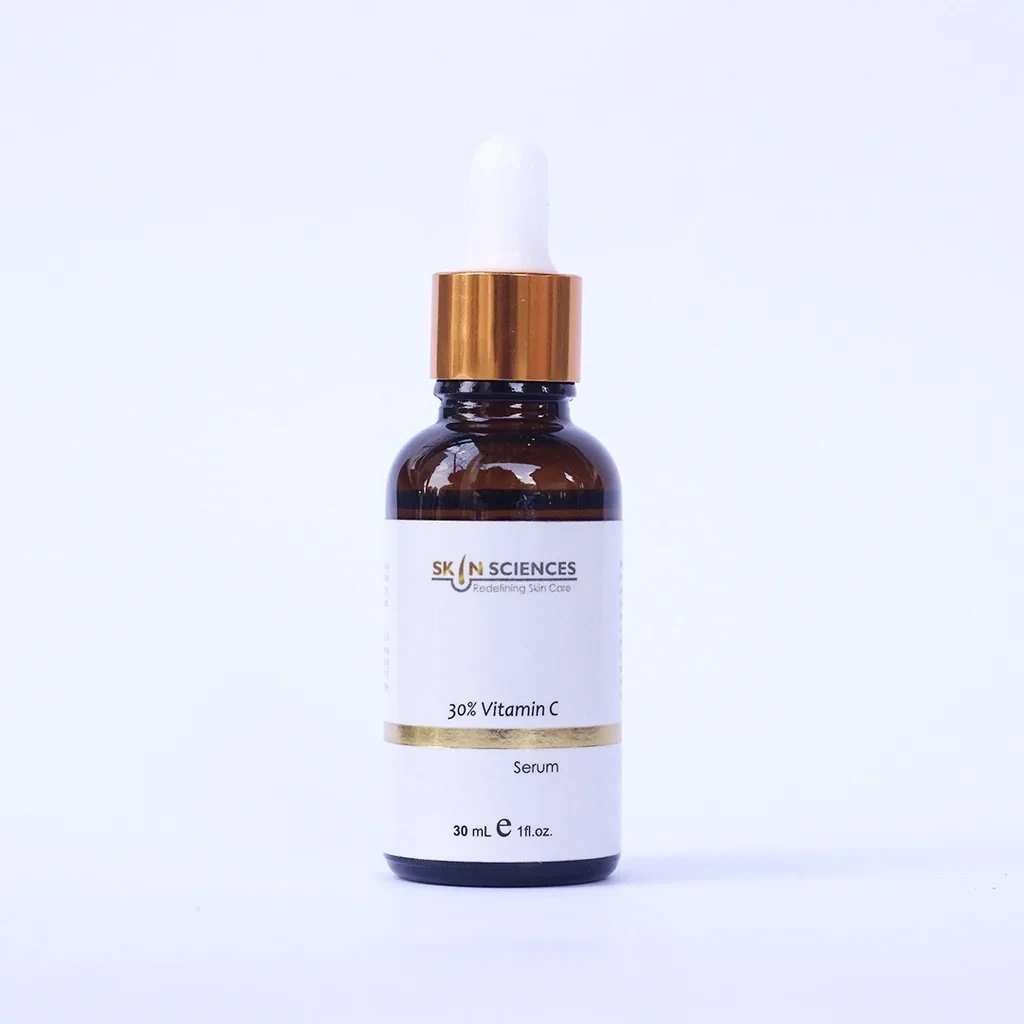
A healthy skincare routine starts long before you apply your favorite serum. While many people focus on choosing high-quality products, they often overlook the small habits that determine whether those products actually deliver visible results. Vitamin C is one of the most trusted ingredients for improving skin brightness, reducing the appearance of dark spots, and defending against environmental stressors. If you’re searching for the best vitamin c serum in Pakistan, using it correctly is just as important as choosing a high-quality formula. Even the best product cannot perform at its full potential if it’s applied incorrectly.
Many common morning skincare mistakes can reduce the effectiveness of active ingredients or even increase the chances of irritation. From skipping cleansing to applying products in the wrong order, these seemingly minor errors may prevent your skin from receiving the maximum benefits.
In this guide, we’ll explore the most frequent mistakes people make before using a Vitamin C serum and explain how simple adjustments can help you achieve healthier, more radiant-looking skin. Whether you’re new to skincare or refining an existing routine, these dermatologist-inspired tips can help you get better results every day.
Why Your Morning Routine Matters
Your skin faces daily exposure to sunlight, pollution, dust, temperature changes, and other environmental aggressors. A properly structured morning routine prepares the skin to defend itself throughout the day while supporting hydration and maintaining an even complexion.
Vitamin C works as a powerful antioxidant that helps neutralize free radicals generated by UV exposure and pollution. For this reason, using it correctly in the morning can enhance your skin’s overall protection when paired with sunscreen.
The preparation steps before application are just as important as the serum itself.
1. Skipping Your Morning Cleanse
One of the biggest mistakes people make is assuming that washing the face at night is enough.
While you sleep, your skin naturally produces oil and accumulates sweat, bacteria, and residue from overnight skincare products. Applying Vitamin C directly onto unclean skin creates a barrier that limits proper absorption.
Instead, begin with a gentle cleanser suited to your skin type. Clean skin allows active ingredients to penetrate more effectively without interference from excess oil or impurities.
2. Using Water That Is Too Hot
Hot water may feel relaxing, but it isn’t ideal for your skin.
Very warm water strips away natural oils that help maintain a healthy skin barrier. When the barrier becomes compromised, active ingredients may cause unnecessary dryness or sensitivity.
Lukewarm water is a much better choice because it cleanses without disrupting the skin’s natural moisture balance.
3. Applying Products to Completely Wet Skin
Many people immediately apply serum while their face is dripping wet.
Although damp skin can improve absorption for certain hydrating ingredients, Vitamin C formulas generally perform best when the skin is lightly towel-dried. Excess water may dilute the product and reduce even distribution.
Pat your face gently with a clean towel before moving to the next step.
4. Rubbing the Skin Too Aggressively
Using rough towels or rubbing the face vigorously creates unnecessary friction.
Repeated irritation weakens the skin barrier and may lead to redness or increased sensitivity, especially when using active ingredients.
Instead:
- Pat your skin dry.
- Avoid harsh rubbing.
- Allow the skin to settle for a few seconds before applying skincare.
Gentle handling supports healthier skin over time.
5. Ignoring Your Skin Type
Not every skincare routine should look identical.
People with oily skin may prefer lightweight formulations, while individuals with dry skin usually benefit from richer moisturizers after applying antioxidant treatments.
Understanding your skin type helps you choose complementary products that work together rather than against each other.
6. Over-Exfoliating Before Application
Exfoliation removes dead skin cells, but excessive exfoliation weakens the skin’s protective barrier.
If you’ve recently used:
- Chemical exfoliants
- Strong facial scrubs
- Peeling treatments
your skin may become more reactive to active ingredients.
Limit exfoliation to a few times per week unless otherwise advised by a skincare professional.
7. Mixing Too Many Active Ingredients
Many skincare enthusiasts assume that using multiple active ingredients together automatically produces better results.
Unfortunately, layering too many potent ingredients can increase irritation.
Some combinations require caution, particularly if your skin is sensitive.
Instead of introducing several new products at once, build your routine gradually so your skin has time to adjust.
8. Applying Too Much Product
More product does not necessarily mean better results.
Using excessive amounts wastes serum and may leave the skin feeling sticky without improving effectiveness.
Most Vitamin C serums require only a few drops to provide even facial coverage.
Consistency is far more important than quantity.
9. Applying Products in the Wrong Order
Layering skincare correctly makes a noticeable difference.
A simple morning routine generally follows this order:
Gentle cleanser
Vitamin C serum
Moisturizer
Broad-spectrum sunscreen
Following this sequence allows each product to absorb properly before the next layer is applied.
10. Skipping Moisturizer
Some people believe moisturizer is unnecessary after applying serum, especially if they have oily skin.
However, moisturizer helps lock hydration into the skin while supporting the skin barrier.
Even lightweight moisturizers can improve comfort and reduce moisture loss throughout the day.
11. Forgetting Sunscreen
Perhaps the biggest mistake is applying antioxidant skincare without following it with sun protection.
Vitamin C complements sunscreen but does not replace it.
Daily SPF protects against UV damage, helps reduce premature aging, and supports the long-term benefits of your skincare routine.
Think of sunscreen as the final protective shield every morning.
12. Expecting Overnight Results
Healthy skin improvements take time.
Many people become discouraged after only a few applications and switch products too quickly.
Visible improvements in skin tone and texture often require several weeks of consistent use combined with proper cleansing, moisturizing, and sun protection.
Patience plays a major role in successful skincare.
Building a Smarter Morning Routine
A balanced skincare routine doesn’t need to involve ten different products.
Instead, focus on consistency and proper application.
A practical morning routine may include:
Cleanse
Remove overnight oil and impurities.
Apply Antioxidant Protection
Use your Vitamin C serum evenly across clean skin.
Hydrate
Apply a moisturizer suitable for your skin type.
Protect
Finish with sunscreen every single morning.
Simple routines are often easier to maintain and produce more reliable long-term results.
Choosing Quality Skincare Products
Product quality matters just as much as application technique.
Look for skincare formulated with stable ingredients, skin-friendly formulations, and products designed to support different skin concerns without unnecessary irritation.
Skin Sciences focuses on creating skincare solutions developed to support healthy-looking skin through carefully selected ingredients and science-backed formulations. Pairing quality products with a well-structured routine helps maximize the benefits of your daily skincare habits.
Contextual Backlink Opportunity:
To explore dermatologist-inspired skincare solutions and build a complete daily routine, visit the Skin Sciences homepage and discover products designed for cleansing, hydration, antioxidant care, and sun protection.
Additional Tips for Better Results
Store Products Properly
Vitamin C formulas are sensitive to light and air. Keep bottles tightly closed and store them in a cool, dry place.
Introduce New Products Gradually
Avoid changing your entire routine at once. This makes it easier to identify which products work well for your skin.
Stay Consistent
Long-term consistency usually delivers better outcomes than frequently changing products.
Support Skin Health Internally
Adequate hydration, nutritious food, quality sleep, and stress management all contribute to healthier-looking skin.
Final Thoughts
Achieving brighter, healthier skin isn’t only about choosing an effective serum. The habits that come before application play an equally important role in determining how well your skincare performs.
Simple improvements such as cleansing properly, avoiding harsh exfoliation, applying products in the correct order, moisturizing consistently, and wearing sunscreen every morning can significantly enhance your overall skincare routine.
Small daily changes often produce the biggest long-term improvements. By avoiding these common mistakes and following a balanced routine, you’ll give your skin the best opportunity to benefit from every step of your morning skincare regimen.
Frequently Asked Questions
1. Should I wash my face before applying Vitamin C serum every morning?
Yes. Cleansing removes overnight oil, sweat, and impurities, allowing skincare products to absorb more effectively.
2. Can I use moisturizer after applying Vitamin C?
Absolutely. Moisturizer helps maintain hydration and supports the skin barrier after serum application.
3. Is sunscreen necessary after using Vitamin C?
Yes. Vitamin C works best when combined with a broad-spectrum sunscreen to help defend the skin against daily UV exposure.
4. How long does it take to notice visible improvements?
Results vary depending on skin type and consistency, but many people begin noticing improvements in skin brightness and texture after several weeks of regular use.
5. Can sensitive skin use Vitamin C serum?
Many people with sensitive skin can use Vitamin C successfully by selecting a suitable formulation, introducing it gradually, and following it with a moisturizer and sunscreen.